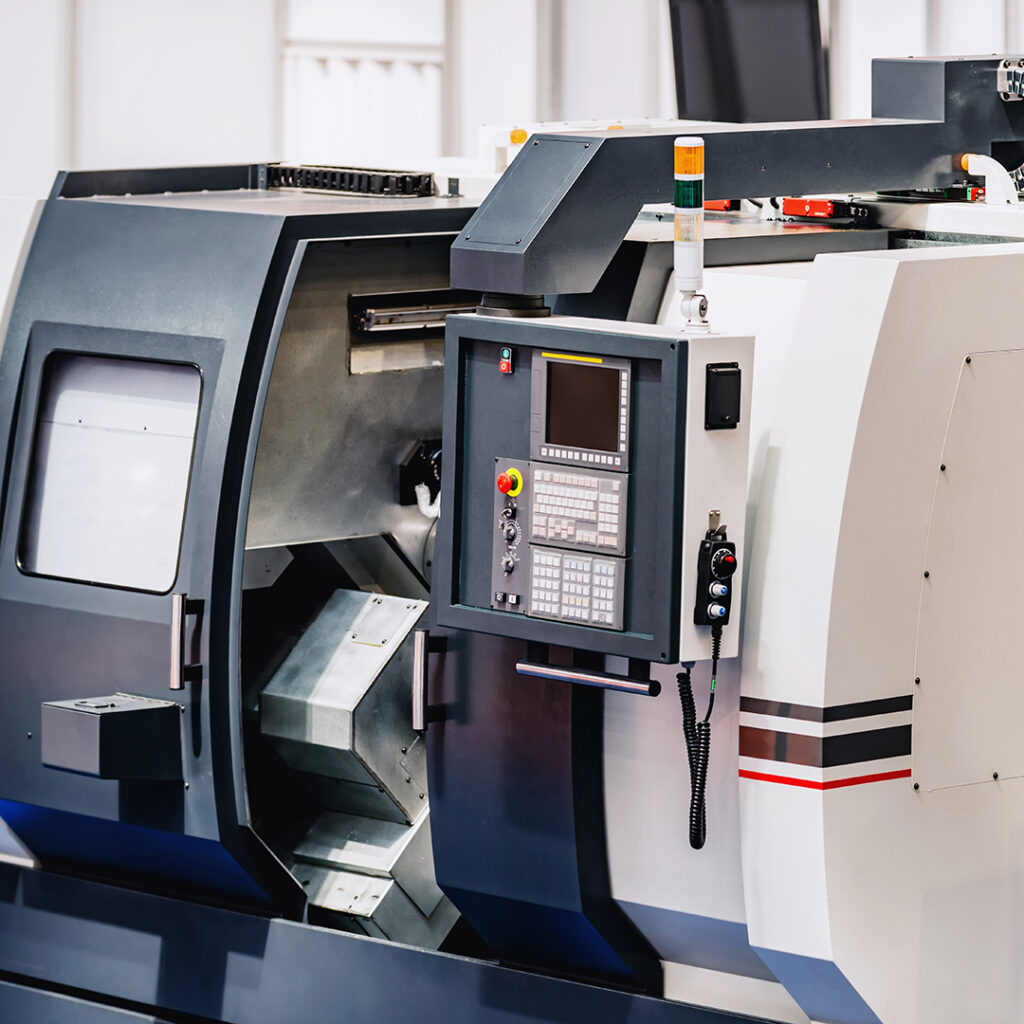
In the realm of precision machining, where quality and accuracy are paramount, CNC ISO Certifications emerge as a beacon of assurance. These coveted certifications serve as a testament to a manufacturer’s commitment to excellence, ensuring that every component and part produced meets the highest industry standards.
But what exactly are CNC ISO Certifications, and how do they contribute to the guarantee of high-quality precision machining? In this comprehensive blog post, we will delve into the world of CNC ISO Certifications, unraveling their significance and exploring how they can be leveraged to elevate the precision machining process. Whether you are a seasoned industry professional or simply curious about the inner workings of this fascinating field, this article will equip you with a deep understanding of how these certifications function and why they hold such immense value.
So, let’s embark on this illuminating journey together as we uncover the power and potential behind leveraging CNC ISO Certifications in the realm of high-quality precision machining.
Understanding CNC ISO Certifications: A Brief Overview
CNC ISO Certifications are internationally recognized standards that ensure the quality and reliability of precision machining processes. The term “CNC” stands for Computer Numerical Control, which refers to the use of computerized systems to control machine tools and manufacturing processes. ISO, on the other hand, stands for the International Organization for Standardization, a global body that develops and publishes international standards.
These certifications provide a framework for manufacturers to establish and maintain effective quality management systems. They encompass various aspects of precision machining, including design, production, testing, and inspection. By adhering to these standards, manufacturers can enhance their operational efficiency, minimize errors, and deliver consistent high-quality products.
There are several types of CNC ISO Certifications available, each focusing on specific areas of precision machining. Some common certifications include ISO 9001 (Quality Management System), ISO 13485 (Medical Devices), ISO 14001 (Environmental Management System), and ISO 45001 (Occupational Health and Safety).
The Significance of CNC ISO Certifications in Precision Machining
The significance of CNC ISO Certifications in precision machining cannot be overstated. These certifications serve as a mark of excellence and demonstrate a manufacturer’s commitment to delivering superior products.
Firstly, CNC ISO Certifications provide customers with confidence in the quality of precision machined components they receive. By adhering to strict guidelines and implementing robust quality management systems, manufacturers can consistently meet customer expectations and ensure customer satisfaction.
Secondly, these certifications contribute to the overall improvement of manufacturing processes. By implementing standardized procedures and continuous improvement initiatives mandated by the certifications, manufacturers can identify areas for optimization and enhance their operational efficiency.
Furthermore, CNC ISO Certifications enable manufacturers to expand their market reach. Many industries and organizations require suppliers to hold specific certifications to ensure the quality and reliability of the products they procure. By obtaining these certifications, manufacturers can access new markets and attract a wider range of customers.
Types of CNC ISO Certifications and Their Requirements
As mentioned earlier, there are various types of CNC ISO Certifications available, each with its own set of requirements. Let’s explore some common certifications and their specific requirements:
1. ISO 9001: This certification focuses on quality management systems and requires manufacturers to establish processes for customer satisfaction, continuous improvement, risk management, and resource management.
2. ISO 13485: Specifically designed for medical device manufacturers, this certification emphasizes the control of design, development, production, installation, and servicing processes related to medical devices.
3. ISO 14001: This certification pertains to environmental management systems and requires manufacturers to identify and control their environmental impact through sustainable practices.
4. ISO 45001: With a focus on occupational health and safety management systems, this certification ensures that manufacturers provide a safe working environment for their employees while complying with relevant regulations.
The Certification Process: Steps to Achieving CNC ISO Certifications
The process of obtaining CNC ISO Certifications involves several steps:
1. Familiarization: Manufacturers must familiarize themselves with the specific requirements of the desired certification(s) they wish to achieve.
2. Gap Analysis: Manufacturers conduct a gap analysis to identify areas where their current processes do not meet the certification requirements.
3. Implementation: Manufacturers implement necessary changes in their processes and systems to align with the certification requirements.
4. Internal Audit: An internal audit is conducted to assess the effectiveness of the implemented changes and identify any remaining gaps.
5. Certification Body Audit: A certification body, accredited by the ISO, conducts an external audit to verify compliance with the certification requirements.
6. Certification Issuance: Upon successful completion of the audit, the certification body issues the CNC ISO Certification(s) to the manufacturer.
Benefits of Leveraging CNC ISO Certifications in Precision Machining
Leveraging CNC ISO Certifications in precision machining offers numerous benefits:
1. Enhanced Quality: By adhering to stringent standards and implementing robust quality management systems, manufacturers can consistently deliver high-quality products that meet customer expectations.
2. Improved Efficiency: The implementation of standardized processes and continuous improvement initiatives mandated by CNC ISO Certifications can enhance operational efficiency and minimize errors.
3. Increased Customer Confidence: CNC ISO Certifications provide customers with assurance that they are receiving precision machined components that have undergone rigorous inspections and meet industry standards.
4. Access to New Markets: Many industries and organizations require suppliers to hold specific certifications. By obtaining these certifications, manufacturers can access new markets and attract a wider range of customers.
Ensuring Compliance: Audits and Inspections for CNC ISO Certifications
To ensure ongoing compliance with CNC ISO Certifications, manufacturers are subject to regular audits and inspections:
1. Internal Audits: Manufacturers conduct internal audits at regular intervals to assess their adherence to certification requirements and identify areas for improvement.
2. External Audits: Accredited certification bodies conduct periodic external audits to verify compliance with certification requirements.
3. Inspections: Manufacturers may also undergo inspections by regulatory authorities or customers to ensure compliance with specific industry or customer-specific requirements.
Best Practices for Implementing CNC ISO Certifications in Precision Machining
To maximize the benefits of CNC ISO Certifications, manufacturers should follow these best practices:
1. Top Management Commitment: The commitment of top management is crucial for the successful implementation and maintenance of CNC ISO Certifications.
2. Employee Training: Proper training should be provided to employees to ensure their understanding of certification requirements and their role in maintaining compliance.
3. Continuous Improvement: Manufacturers should embrace a culture of continuous improvement by regularly reviewing processes, addressing non-conformities, and implementing corrective actions.
Future Trends and Innovations in CNC ISO Certifications for Precision Machining
The field of CNC ISO Certifications is constantly evolving to keep pace with technological advancements and industry trends:
1. Integration with Industry 4.0: As manufacturing processes become increasingly digitized, there is a growing focus on integrating CNC ISO Certifications with Industry 4.0 technologies such as IoT (Internet of Things) and AI (Artificial Intelligence).
2. Sustainability Initiatives: With a greater emphasis on sustainability, future CNC ISO Certifications may include requirements related to energy efficiency, waste reduction, and carbon footprint reduction.
Conclusion: Unlocking the Potential of High-Quality Precision Machining with CNC ISO Certifications
CNC ISO Certifications play a pivotal role in ensuring high-quality precision machining. These certifications provide manufacturers with a framework to establish and maintain effective quality management systems, resulting in enhanced product quality, improved operational efficiency, and increased customer confidence.
By leveraging CNC ISO Certifications, manufacturers can unlock new business opportunities, access new markets, and position themselves as leaders in the precision machining industry. As technology advances and industry requirements evolve, these certifications will continue to adapt to meet the changing needs of the manufacturing landscape.