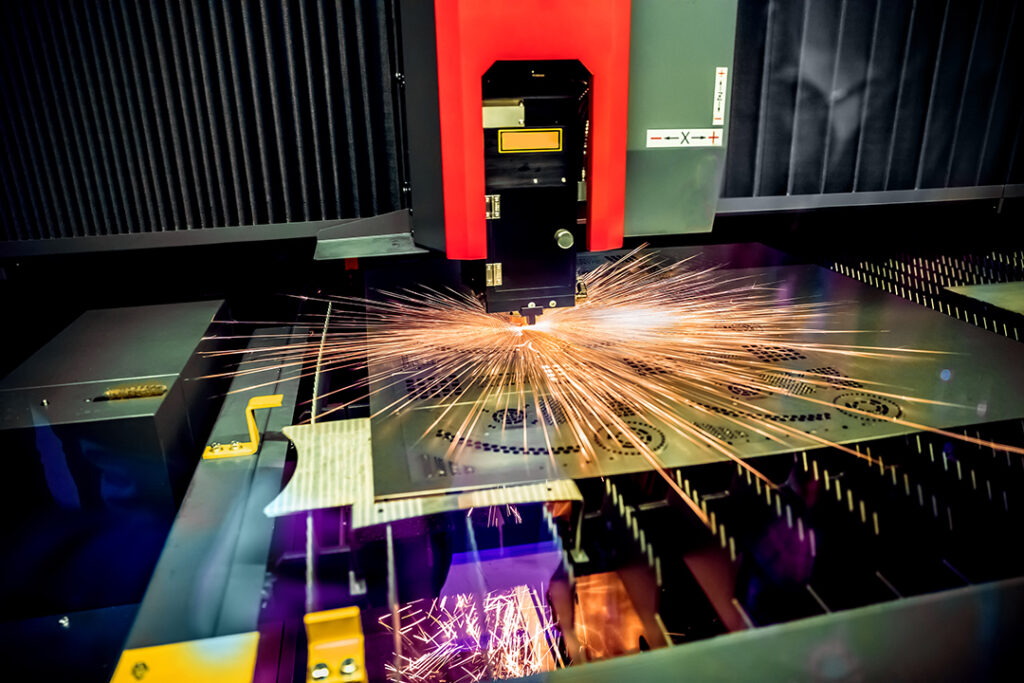
In a world where innovation reigns supreme and technology continues to push the boundaries of what we once thought possible, the realm of CNC laser cutter prototyping stands at the forefront of groundbreaking advancements. Imagine a tool that can transform a mere idea into a tangible reality with precision and efficiency unparalleled. The fusion of cutting-edge CNC technology with the artistry of laser cutting has opened up a realm of possibilities for creators and innovators alike, propelling us into a future where imagination knows no bounds.
The Evolution of CNC Technology in Prototyping
The evolution of CNC technology in prototyping has been nothing short of remarkable. From its humble beginnings as a tool for automating industrial processes, CNC has grown to become an indispensable asset in the world of prototyping. In the early days, CNC machines were large and cumbersome, limited to basic cutting and shaping tasks. However, advancements in technology have led to the development of more compact and versatile machines that can handle intricate designs with ease.
One of the key advancements in CNC technology is the integration of laser cutting capabilities. Laser cutting offers unparalleled precision and accuracy, allowing for intricate designs and complex geometries to be achieved with ease. This has revolutionized the prototyping process, enabling designers to bring their ideas to life with unprecedented detail.
Understanding the Basics of Laser Cutting in CNC Prototyping
Before delving into the world of CNC laser cutter prototyping, it is important to understand the basics of laser cutting. At its core, laser cutting involves using a high-powered laser beam to cut through various materials such as metal, wood, or plastic. The laser beam is controlled by a computer program that dictates its movement and intensity.
One of the key advantages of laser cutting is its ability to achieve precise cuts without causing any damage or distortion to the surrounding material. This makes it ideal for creating intricate designs and complex shapes that would be difficult or impossible to achieve using traditional cutting methods.
The Hallmarks of CNC Laser Cutting
When it comes to precision and accuracy, few technologies can rival CNC laser cutting. The combination of computer-controlled movements and high-powered lasers allows for cuts that are incredibly precise, with tolerances measured in fractions of a millimeter.
This level of precision opens up a world of possibilities for designers and engineers. Complex geometries, intricate patterns, and delicate details can all be achieved with ease, allowing for the creation of prototypes that closely resemble the final product.
Also, check out about The Prototyping Power of CNC Milling Machines.
Redefining the Speed of Innovation
One of the most significant advantages of CNC laser cutter prototyping is its ability to accelerate the prototyping process. Traditional prototyping methods often involve time-consuming manual labor, which can lead to delays and increased costs.
With CNC laser cutting, prototypes can be created quickly and efficiently. The computer-controlled nature of the process allows for rapid iteration and refinement, reducing the time it takes to go from concept to physical prototype. This not only speeds up the innovation process but also enables designers to test multiple iterations and make improvements on the fly.
Applications of CNC Laser Cutter Prototyping in Aerospace Industry
The aerospace industry is one that demands precision and reliability. From aircraft components to spacecraft parts, every element must meet strict standards in terms of performance and safety.
CNC laser cutter prototyping has found a wide range of applications in the aerospace industry. It is used for creating complex components such as turbine blades, engine parts, and structural elements. The precision and accuracy offered by CNC laser cutting ensure that these components meet stringent specifications while minimizing material waste.
CNC Laser Cutting in Art and Design
CNC laser cutting is not limited to industrial applications alone. It has also found a place in the world of art and design, where it offers artists new ways to express their creativity.
Artists can use CNC laser cutters to create intricate patterns, detailed sculptures, or even personalized jewelry pieces. The precision offered by this technology allows for designs that were once thought impossible to become a reality. Whether it’s a large-scale installation or a small, intricate piece, CNC laser cutting opens up a world of possibilities for artists and designers.
Overcoming Challenges in CNC Laser Cutter Prototyping
While CNC laser cutter prototyping offers numerous advantages, it is not without its challenges. One of the key challenges is the selection of the right materials for the job.
Not all materials are suitable for laser cutting, and choosing the wrong material can result in poor quality cuts or even damage to the machine. It is important to carefully consider factors such as material thickness, heat resistance, and reflectivity when selecting materials for CNC laser cutting.
The Environmental Impact of CNC Technology
In an era where sustainability is becoming increasingly important, CNC technology offers several environmental benefits. One of the key advantages is its ability to minimize material waste.
Traditional manufacturing methods often result in significant amounts of waste material that cannot be reused or recycled. With CNC laser cutting, material waste is minimized as the precision of the cuts ensures that only the necessary amount of material is used. This not only reduces costs but also has a positive impact on the environment by reducing landfill waste.
Innovations and Trends in CNC Laser Cutter Prototyping
The future of CNC laser cutter prototyping looks promising, with several exciting innovations on the horizon. One area that holds great potential is the integration of artificial intelligence (AI) into CNC machines.
AI-powered machines can analyze designs and optimize cutting paths to maximize efficiency and minimize errors. This not only speeds up the prototyping process but also improves overall accuracy and quality.
Another trend to watch out for is the development of new materials specifically designed for use with CNC laser cutters. These materials will offer improved performance and durability, opening up new possibilities for designers and engineers.
As we look ahead to the future, it is clear that CNC laser cutter prototyping will continue to push the boundaries of what is possible. From aerospace to artistry, this technology has revolutionized the way we create and innovate. With its precision, speed, and versatility, CNC laser cutting is poised to shape a future limited only by our imagination.
If you’re just beginning to become a CNC machinist, read Master Your Craft: Become A CNC Machinist In No Time.