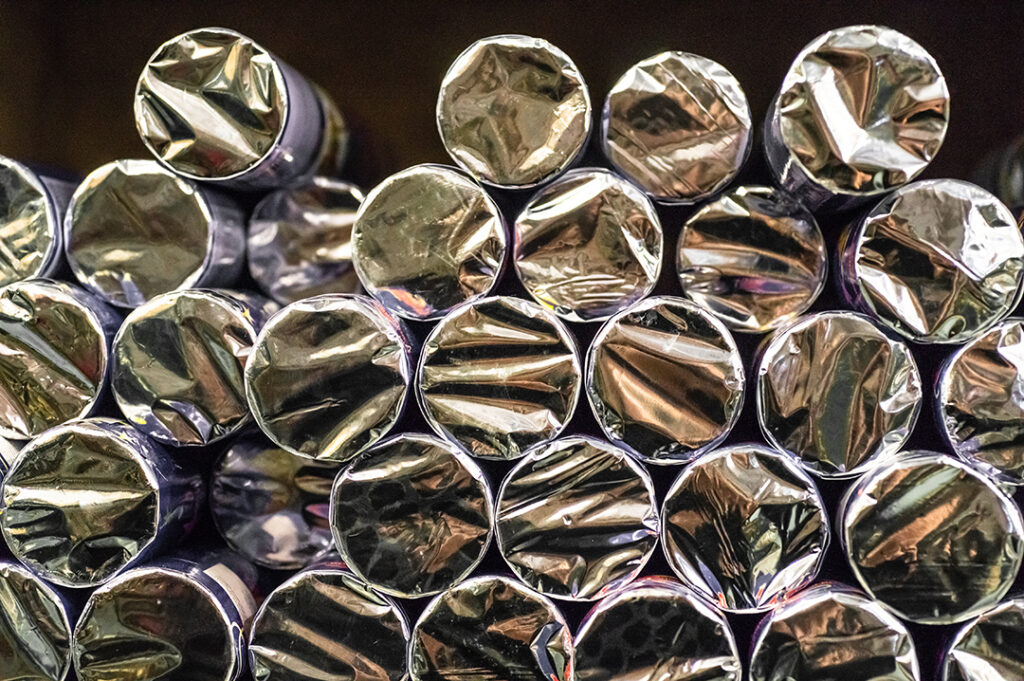
In the rapidly evolving world of modern manufacturing, where precision and efficiency are paramount, finding the right materials to create prototypes can be a game-changer. Enter aluminium CNC prototyping material—a revolutionary element that has quietly yet profoundly transformed the landscape of industrial design and engineering. Imagine a material that combines lightweight properties with unparalleled strength, allowing engineers to bring even their most intricate designs to life with stunning accuracy. This isn’t just some distant future concept; it’s happening right now, reshaping how we think about manufacturing from the ground up.
The magic of aluminium CNC prototyping material lies in its unique ability to streamline the prototyping process, reducing time and costs while enhancing overall product quality. Unlike traditional methods that often involve cumbersome and time-consuming steps, CNC machining with aluminium offers a swift, precise, and versatile solution. Whether you’re working on automotive components, aerospace parts, or consumer electronics, this material opens up a new realm of possibilities that were once thought unattainable. As you delve into the intricacies of why aluminium CNC prototyping material is becoming the cornerstone of modern manufacturing, prepare to uncover how this unassuming metal is revolutionizing industries and paving the way for innovation.
Lightweight Properties and Superior Strength
One of the key reasons why aluminium CNC prototyping material has gained immense popularity in modern manufacturing is its unique combination of lightweight properties and superior strength. Aluminium is known for its low density, making it significantly lighter than other commonly used metals such as steel. This lightweight nature not only makes it easier to handle during the prototyping process but also offers numerous benefits in the final product.
Despite its lightness, aluminium is remarkably strong and durable. It possesses excellent mechanical properties that allow it to withstand high levels of stress and strain without compromising its structural integrity. This makes it an ideal choice for creating prototypes that require both strength and precision. Engineers can confidently design intricate components knowing that aluminium CNC prototyping material will deliver the necessary strength while keeping weight to a minimum.
Precision Engineering with Aluminium CNC Prototyping Material
Precision is a critical aspect of modern manufacturing, and aluminium CNC prototyping material excels in this area. The use of computer numerical control (CNC) machining techniques allows for unparalleled accuracy when working with aluminium. By programming precise instructions into the CNC machine, engineers can achieve intricate designs with tight tolerances, ensuring that every component meets exact specifications.
The precision engineering capabilities offered by aluminium CNC prototyping material enable manufacturers to create complex shapes, intricate details, and fine surface finishes that were once difficult or impossible to achieve using traditional methods. This level of precision opens up new possibilities for innovation in various industries where intricate designs are crucial.
Cost-Effective Prototyping Solutions
In addition to its lightweight properties and precision engineering capabilities, aluminium CNC prototyping material offers cost-effective solutions for creating prototypes. Traditional manufacturing methods often involve multiple steps, including tooling and molding processes, which can be time-consuming and expensive.
With aluminium CNC prototyping, the process is streamlined, eliminating the need for costly tooling and molding. The CNC machine can directly produce prototypes from a digital design file, significantly reducing lead times and costs. This allows manufacturers to iterate designs quickly and efficiently, accelerating the product development cycle.
Versatility Across Various Industries
Aluminium CNC prototyping material finds applications across a wide range of industries. Its versatility makes it suitable for automotive manufacturing, aerospace component production, consumer electronics design, and more.
In the automotive industry, aluminium is increasingly being used to create lightweight components that contribute to fuel efficiency and overall vehicle performance. From engine parts to chassis components, aluminium CNC prototyping material enables engineers to develop innovative designs that meet stringent requirements while reducing weight.
Aerospace manufacturers also benefit from aluminium CNC prototyping material. The lightweight nature of aluminium helps reduce aircraft weight, leading to improved fuel efficiency and increased payload capacity. Additionally, the precision engineering capabilities of CNC machining ensure that aerospace components meet strict safety standards.
In consumer electronics design, where sleekness and compactness are paramount, aluminium offers an ideal solution. Its lightweight properties allow for portable devices without compromising on durability or structural integrity. Aluminium CNC prototyping material enables designers to create intricate casings and precise internal components that seamlessly integrate technology with aesthetics.
Enhanced Product Quality through Aluminium CNC Prototyping
When it comes to manufacturing high-quality products, every detail matters. Aluminium CNC prototyping material plays a crucial role in ensuring superior product quality throughout the manufacturing process.
The precision offered by CNC machining with aluminium allows for consistent replication of designs with minimal variation between prototypes. This ensures that each component meets exact specifications and performs as intended in the final product. The high accuracy achieved through aluminium CNC prototyping minimizes errors and reduces the need for rework, resulting in cost savings and faster time to market.
Furthermore, aluminium is highly resistant to corrosion, making it an excellent choice for products that may be exposed to harsh environments or undergo frequent use. Its durability ensures that prototypes created using aluminium CNC prototyping material can withstand demanding conditions without compromising performance.
Accelerating Innovation in Automotive Manufacturing
The automotive industry is constantly evolving, with manufacturers striving to develop vehicles that are more efficient, safer, and technologically advanced. Aluminium CNC prototyping material has emerged as a key enabler of innovation in automotive manufacturing.
By leveraging the lightweight properties and superior strength of aluminium, engineers can design components that contribute to fuel efficiency and reduce emissions. Lightweight materials like aluminium help offset the weight of additional safety features and advanced technologies without sacrificing performance or compromising safety standards.
Moreover, the precision engineering capabilities offered by aluminium CNC prototyping material allow for the creation of complex geometries that enhance aerodynamics and optimize vehicle performance. From engine components to suspension systems, aluminium plays a vital role in shaping the future of automotive manufacturing.
Revolutionizing Aerospace Component Production
The aerospace industry demands utmost precision and reliability in every component produced. Aluminium CNC prototyping material has revolutionized aerospace component production by offering a combination of lightweight properties, strength, and precision engineering.
Reducing aircraft weight is crucial for fuel efficiency and operational costs. Aluminium’s low density makes it an ideal choice for creating lightweight aerospace components without compromising structural integrity. By utilizing aluminium CNC prototyping material, manufacturers can explore innovative designs that reduce weight while maintaining high levels of strength.
The precision achieved through CNC machining ensures that aerospace components meet strict tolerances required for safe operation. From turbine blades to structural elements, aluminium CNC prototyping material enables engineers to create intricate parts with exceptional accuracy, contributing to the overall reliability and performance of aircraft.
Impact on Consumer Electronics Design
The consumer electronics industry is driven by constant innovation and the pursuit of sleek, compact designs. Aluminium CNC prototyping material has a significant impact on consumer electronics design, enabling manufacturers to create products that are both aesthetically pleasing and technologically advanced.
Aluminium’s lightweight properties make it an ideal choice for portable devices such as smartphones, tablets, and laptops. By using aluminium CNC prototyping material, designers can create thin and lightweight casings that not only enhance portability but also provide durability and structural integrity.
The precision engineering capabilities offered by aluminium CNC prototyping material allow for the creation of intricate internal components that seamlessly integrate with the overall design. This enables manufacturers to optimize space utilization while ensuring optimal performance of electronic devices.
Sustainability Benefits of Aluminium CNC Prototyping
In an era where sustainability is a top priority, aluminium CNC prototyping material offers several environmental benefits compared to traditional manufacturing methods.
Aluminium is highly recyclable, with a significantly lower energy requirement for recycling compared to primary production. By utilizing aluminium CNC prototyping material, manufacturers can reduce waste and minimize their environmental footprint. The ability to iterate designs quickly also reduces material waste during the prototyping phase.
Furthermore, the lightweight nature of aluminium contributes to reduced energy consumption during transportation and operation. Lightweight components created using aluminium CNC prototyping material help improve fuel efficiency in automotive applications and reduce energy consumption in aerospace and consumer electronics sectors.
The Future of Manufacturing with Aluminium CNC Prototyping
In conclusion, aluminium CNC prototyping material has transformed modern manufacturing by offering lightweight properties, superior strength, precision engineering capabilities, cost-effective solutions, versatility across industries, enhanced product quality, accelerated innovation in automotive manufacturing, revolutionized aerospace component production, and impacted consumer electronics design. Its sustainability benefits further contribute to its growing popularity.
As industries continue to push the boundaries of what is possible, aluminium CNC prototyping material will play an increasingly vital role in shaping the future of manufacturing. Its unique combination of properties and capabilities opens up new avenues for innovation, allowing engineers and designers to bring their ideas to life with unmatched precision and efficiency.
Whether it’s creating fuel-efficient vehicles, reliable aerospace components, or cutting-edge consumer electronics, aluminium CNC prototyping material is at the forefront of modern manufacturing. Embracing this revolutionary material will undoubtedly drive advancements across industries and pave the way for a more sustainable and innovative future.